INSIGHT · PLANNING & APPROVALS
One gate, three names:
the occupation certificate by state.
The document that allows a new building to be occupied differs by state. As read on 2 November 2026: NSW Planning guidance from 2019 names an occupation certificate from the principal certifier; Victoria, Tasmania and the NT have an occupancy permit from a building surveyor or certifier; WA has an occupancy permit from the permit authority, not required for Class 1 or 10; Queensland's Form 11 has been a certificate of occupancy, not of classification, since 1 October 2020, according to Business Queensland, and is not used for a single detached Class 1a building or a Class 10 building; the ACT registrar issues a certificate of occupancy. South Australia was not verified.
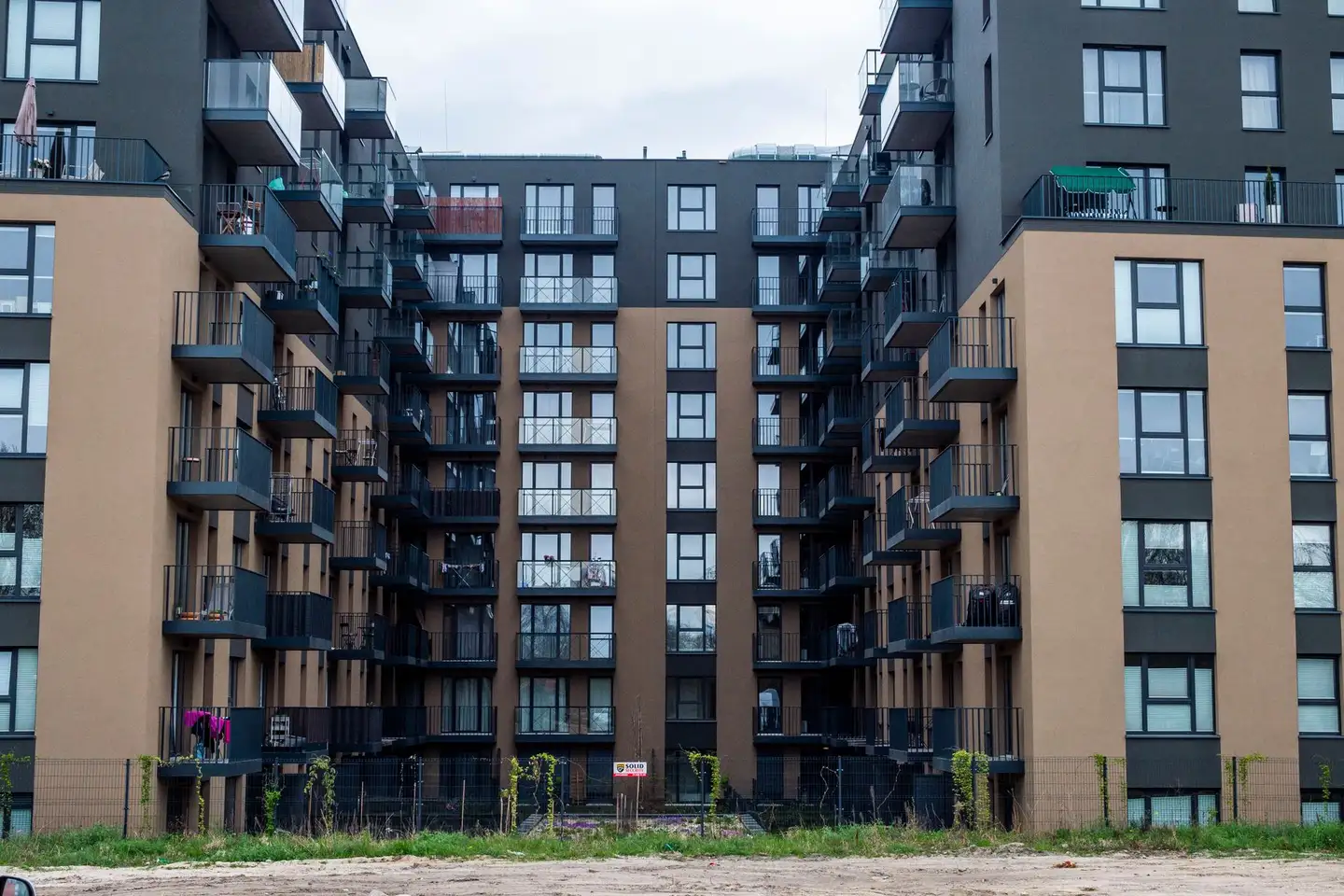
Analysed 2 November 2026 · NSW Planning circular PS 19-004, Occupation Certificates FAQ (August 2019) and Guidelines (21 November 2019) · Building Act 1993 (Vic), Version 152 · Building Act 1975 (Qld), point in time 1 February 2026 · Building Act 2011 (WA), 01-k0-01, and Building Regulations 2012, 04-ag0-00 · Building Act 2016 (Tas) · Building Act 2004 (ACT), R56 · Building Act 1993 (NT) (10 February 2026) · NSW Act and SA not verified · all read 2 November 2026.
Key takeaways
- NSW's 2019 guidance dropped interim and final for newer consents: NSW Planning circular PS 19-004 (30 August 2019, now marked archived and no longer current by the Department) states that under Part 6 of the Environmental Planning and Assessment Act 1979 the terms interim and final no longer exist, for consents granted from 1 December 2019. It says a certificate covers part of a building or the whole, and that older consents stay under the former Part 4A, so both vocabularies can appear on a file. The Act text was not verified.
- Queensland renamed its document: Chapter 5 of the Building Act 1975 now says certificate of occupancy. Section 352 treats an existing certificate of classification as a certificate of occupancy, and Business Queensland dates the Form 11 change to 1 October 2020.
- Houses are often outside the gate: WA's regulation 43 requires no occupancy permit for a Class 1 or Class 10 building. Queensland's Part 2 and offence section exclude a single detached Class 1a building and a Class 10 building or structure. We found no such class carve-out in the Tasmanian and Victorian sections read, though both leave room for exceptions by regulation (Tas s 216(3)(d); Vic s 21(2)(c)).
- Victoria's answer is written on the building permit: Section 21 of the Building Act 1993 (Vic) has the building surveyor state on the building permit whether an occupancy permit is required. Where none is, a certificate of final inspection is issued, and section 38(2) says that certificate is not evidence of compliance. Section 46 says an occupancy permit is evidence of suitability for occupation, and likewise not evidence of compliance.
- We would prepare the record set from the first day: A system-design recommendation: list what the issuer will need from the building permit stage, and collect it as the work is done, because several items can only be produced by the trade that did the work.
What lets a building
be occupied, state by state
A NSW Planning page updated 4 May 2023 still says interim and final, which matches consents under the former rules but not the Department's own 2019 circular for newer consents.
| State | Document | Classes | Who issues | What it depends on | Offence or restriction | Instrument and version read |
|---|---|---|---|---|---|---|
| NSW | Occupation certificate, for part or the whole of a building (consents from 1 December 2019) | New buildings and changes of use; not exempt development, development not needing consent, or Crown development (FAQ) | The principal certifier (Guidelines) | Consent preconditions, suitability under the BCA classification, fire safety reports and certificates, BASIX completion receipt where required, planning agreement requirements (Guidelines) | Generally a building cannot be occupied or used without one (FAQ, citing s 6.9) | Planning circular PS 19-004, 30 August 2019, marked archived; Occupation Certificates FAQ, August 2019; Guidelines, 21 November 2019, written against the 2000 Regulation; read 2 Nov 2026. Environmental Planning and Assessment Act 1979 text not verified (2 Nov 2026) |
| Victoria | Occupancy permit; otherwise a certificate of final inspection (s 38). Temporary approval is a separate route that cannot replace a permit the building permit requires (ss 64, 67) | All building work except work the building surveyor considers minor or not compromising suitability, and prescribed work (s 21(2)) | The relevant building surveyor (ss 41, 43) | Suitable for occupation; plumbing compliance certificate and electrical safety certificate seen; building manual approved where required (s 44) | Must not occupy unless issued, where the building permit requires it: 120 penalty units, 600 for a body corporate (s 39) | Building Act 1993, Version 152, as at 16 September 2026; read 2 Nov 2026 |
| Queensland | Certificate of occupancy, Form 11; interim certificate if the building is remote (s 104) | Not a single detached Class 1a building or a Class 10 building or structure (ss 100, 114); those take a final inspection certificate (s 10(d)(ii)) | A building certifier (s 102) | Substantially completed, as listed in s 101; list and drawings of fire safety installations; referral agency inspections (s 102) | Must not occupy or use without a reasonable excuse: 165 penalty units (s 114) | Building Act 1975, point in time 1 February 2026; Business Queensland page, updated 3 July 2025; read 2 Nov 2026 |
| South Australia | not verified (2 Nov 2026) | not verified (2 Nov 2026) | not verified (2 Nov 2026) | not verified (2 Nov 2026) | not verified (2 Nov 2026) | Planning, Development and Infrastructure Act 2016 and Regulations: register and plan.sa.gov.au did not open to us on 2 Nov 2026 |
| WA | Occupancy permit; temporary permit for an incomplete building (ss 46, 47) | Not required for a Class 1 or Class 10 building, or other listed buildings (Regulations reg 43(a)) | The permit authority (s 58) | A certificate of construction compliance or building compliance signed by an independent building surveyor, and required technical certificates (ss 56 to 58) | Owner or occupier must not occupy or use: $50,000 first offence, up to $100,000 and 12 months (s 41) | Building Act 2011, 01-k0-01, 28 May 2026; Building Regulations 2012, 04-ag0-00, 1 November 2026; read 2 Nov 2026 |
| Tasmania | Occupancy permit; temporary occupancy permit (ss 216, 228, 229) | New buildings, changed use or classification, notifiable or permit building work, and others listed (s 216(1)) | A building surveyor (ss 222, 223) | Any required report, documentation, suitability for intended use, smoke alarms, sanitation and water supply (ss 219, 220) | Must not occupy unless a permit is in force: 100 penalty units, 500 for a body corporate (s 216(3)) | Building Act 2016, current version viewed 2 Nov 2026 |
| ACT | Certificate of occupancy; a certificate for part of a building (s 69(1), (3)) | Building work involving the erection or alteration of a building (s 69(1)) | The construction occupations registrar (s 69) | Work completed to prescribed requirements; fit for occupation and use as the approved class; building manual if required (s 69(1)) | Occupying or using a building or part with no certificate of occupancy: 50 penalty units, strict liability (s 76). Occupying as a class other than approved, without written approval: 50 penalty units (s 77) | Building Act 2004, Republication 56, effective 1 October 2026; read 2 Nov 2026 |
| NT | Occupancy certification: occupancy permit, certificate of substantial compliance, certificate of existence, or temporary approval (s 4 definition) | Any building, unless a Minister's declaration applies (s 65(1), (1A)) | A building certifier (ss 67, 70) | Suitable for occupation and complies in all material respects; a builder's declaration; prescribed documents (ss 69, 70) | Must not occupy without it: 85 penalty units (s 65) | Building Act 1993, as in force at 10 February 2026; read 2 Nov 2026 |
Name a certificate correctly,
and its date tells you the rule.
In NSW and Queensland the name on a building's certificate depends on when it was issued or what consent it sits under, so an old file and a new file can use different words for the same stage.
- NSW: interim and final, before 1 December 2019: The Department's guideline and its archived circular state that the former Part 4A, including the interim and final regime, continues for consents granted before 1 December 2019, including uncommenced deferred commencement consents.
- NSW: partial, with a 5-year condition: The Department's August 2019 FAQ states an occupation certificate for the first completed stage of a partially completed building is subject to a condition that a further certificate be obtained for the whole building within 5 years. The current Regulation text was not verified.
- NSW: the old 12-month rule went too: The FAQ lists removal of the provision that permitted occupation of premises without a certificate where they had been occupied for more than 12 months (former s 109M(2)(b)).
- Queensland: classification is now inside occupancy: Section 103 requires the certificate to state the building's classification, so the classification did not disappear. Only the document's name changed. Section 352 carries forward existing certificates.
- ACT: an owner-builder variant: Section 73 of the Building Act 2004 (ACT) is headed certificates of occupancy and use for owner-builders. Section 69 is the general certificate of occupancy.
How long a certificate takes,
and whether it expires.
- WA: 10 business days: Regulation 38 of the Building Regulations 2012 sets 10 business days to decide an occupancy permit application, under section 59 of the Building Act 2011, where the authority has not asked for further information. If it does not decide in time, it is taken to have refused.
- Queensland: as soon as practicable: Section 102(2) of the Building Act 1975 requires the certifier to ensure the owner is given the certificate as soon as practicable after the listed events.
- Victoria: a deemed refusal if prescribed time passes: Regulation 190 of the Building Regulations 2018 (Vic) prescribes 2 business days for a Class 1 building and 5 for any other class, after the day reports and consents are received or due. Section 43(3) of the Building Act 1993 treats an application as refused if it is not decided in that time.
- Queensland: no end date: Section 106: a certificate of occupancy, other than an interim certificate, continues in force until and unless it is replaced under section 113, which covers a classification or use change.
- WA: time-limited permits exist: Section 65 of the Building Act 2011 allows an application to extend the period of a time-limited occupancy permit. Section 42 requires permit details to be displayed under regulation 35.
- Tasmania: until replaced or cancelled: Section 227 of the Building Act 2016 (Tas): an occupancy permit remains in force until another is issued or it is cancelled.
- Victoria: cancellation exists: Section 72 lets a municipal building surveyor cancel an occupancy permit on stated grounds. That is a different thing from expiry.
What we would put in a system
The issuer depends on documents a builder collects over the whole job, so the useful preparation is a record set that exists before the application is made.
Where agents help here is narrow. A document agent can read inspection certificates and trade certificates, match them to the list for that state, and draft what is missing. A person confirms. No agent decides whether a building is suitable for occupation or whether a certificate can issue.
| Field | Why it is load-bearing |
|---|---|
| Which document this job needs, and where that is stated | Vic s 21 puts it on the building permit. WA reg 43 and Qld ss 100, 114 exclude classes. |
| Approval date and the instrument it sits under | A NSW consent from before 1 December 2019 stays under the former Part 4A. |
| Inspection records against the approved stages | Qld s 101 lists what substantially completed means. The inspection and test plan is where those stages are evidenced. |
| Fire safety list, drawings and certificates | Qld s 102(1)(b) and the NSW Guidelines look to fire safety installations, and Tas s 220 to smoke alarms. |
| Plumbing and electrical compliance certificates | Vic s 44(1) stops the permit unless the building surveyor has seen them, where they are required. |
| Builder's declaration or surveyor's certificate | NT s 69 requires a builder's declaration by the person who carried out or was in charge of the work. WA ss 56 to 58 require a certificate from an independent building surveyor. |
| Building manual, where required | Vic s 44(1)(c) and ACT s 69(1)(d). |
| Issue date, class stated, conditions and any restriction | Qld s 114A makes stated restrictions an owner's obligation, and our page on defect records shows several Acts count from this date. |
- One gate, two securities, NSW: What a NSW developer gives before an occupation certificate, and how long it runs.
- SA planning consent, building rules consent and approval: The South Australian approval sequence, as read on that page's own date.
- Inspection and test plans: Where the stage evidence behind the certificate is built up.
Questions worth asking
of your own handover file
For a builder working across states: which document does each open job need?
As read on 2 November 2026 the answer turns on class, permit wording and state. A job record that names the document and where the requirement is stated answers it. General information, not legal advice.
For a developer in NSW: what sits between the last trade leaving and the occupation certificate?
The Guidelines list consent preconditions, fire safety items and BASIX, and our page on two securities covers the bond or decennial insurance. A list with an owner and a date against each item shows what is outstanding.
For a Queensland owner of an older building: which name is on your certificate?
A certificate of classification in force at the change is taken to be a certificate of occupancy (s 352). The file should hold it under both words so a search finds it.
For a Victorian builder: does the building permit require an occupancy permit, for all or part?
Section 21 puts that statement on the permit. Reading it at the start sets which end document the job is working towards.
Questions people ask
about occupation certificates
What is an occupation certificate?
In NSW an occupation certificate authorises the occupation and use of a new building or a change of use, under Part 6 of the Environmental Planning and Assessment Act 1979, according to NSW Planning guidance. It is issued by the appointed principal certifier. Other states use occupancy permit or certificate of occupancy. As read on 2 November 2026; the NSW Act text was not verified.
What is the difference between a certificate of occupancy and an occupancy permit?
They are names for a similar gate in different states. Queensland and the ACT use certificate of occupancy; Victoria, WA, Tasmania and the NT use occupancy permit; NSW uses occupation certificate. South Australia was not verified. Who issues it, which classes need it and what it depends on all differ, as read on 2 November 2026.
What is a certificate of classification in Qld, and is it Form 11?
Business Queensland states the certificate of classification (Form 11) was amended and renamed the certificate of occupancy from 1 October 2020. Section 352 of the Building Act 1975 treats a certificate of classification in force at that change as a certificate of occupancy. Section 103 still requires the certificate to state the building's classification. As read on 2 November 2026.
Is there still an interim and final occupation certificate in NSW?
For consents granted from 1 December 2019, NSW Planning circular PS 19-004 (August 2019, now marked archived) states the terms interim and final no longer exist, and a certificate covers part or the whole of a building. Consents granted before that date remain under the former Part 4A, including its interim and final regime. As read on 2 November 2026; the Act text was not verified.
Do occupancy permits expire?
In Queensland, section 106 of the Building Act 1975 says a certificate of occupancy, other than an interim one, continues in force until replaced. Tasmania's permit remains in force until replaced or cancelled (Building Act 2016 s 227). WA provides for time-limited permits (Building Act 2011 s 65), and a Victorian permit can be cancelled (Building Act 1993 s 72). NSW's August 2019 FAQ describes a 5-year condition on a first partial certificate; the current Regulation was not verified. As read on 2 November 2026.
How do you get an occupancy permit?
In Victoria an application for an occupancy permit required by a building permit is made to the relevant building surveyor, by or for the owner (Building Act 1993 s 41). In WA an application goes to the permit authority with a certificate signed by a building surveyor. In Tasmania a building surveyor decides it. Each state lists its own supporting documents. As read on 2 November 2026.
Is there a final occupation certificate in Queensland?
The Building Act 1975 (Qld) names a certificate of occupancy, and an interim certificate for a remote building (s 104). Section 10(d)(ii) provides a final inspection certificate for a single detached Class 1a building or a Class 10 building or structure, which is a separate document. We did not find a final occupation certificate as a term in the sections read on 2 November 2026.
How long does an occupation certificate take?
We found no national period in the instruments read. WA's Building Regulations 2012 reg 38 set 10 business days for a decision on an occupancy permit. Victoria's Building Regulations 2018 reg 190 set 2 business days for a Class 1 building and 5 for others, after reports and consents, and a late decision is taken as a refusal (Building Act 1993 s 43(3)). Queensland's section 102 says as soon as practicable. As read on 2 November 2026.
What this analysis
does and does not show.
Evidence note
- What it shows
- The name of the occupation document in NSW, Victoria, Queensland, WA, Tasmania, the ACT and the NT, which classes need it, who issues it, what it depends on and the restriction on occupying without it, as read on 2 November 2026.
- Key facts quoted
- NSW consents from 1 December 2019, partial certificate 5-year condition (2019 Department documents); Vic ss 21, 38, 39, 43, 44, 46, 64, 67, 72, Regulations reg 190; Qld ss 10, 100 to 106, 114, 352, Form 11 from 1 October 2020; WA ss 41, 46, 47, 56 to 59, 65, reg 38 10 business days, reg 43; Tas ss 216 to 223, 227; ACT ss 69, 73, 76, 77; NT ss 65 to 72.
- South Australia is not verified. legislation.sa.gov.au and plan.sa.gov.au did not open to us on 2 November 2026, and we did not route around that. Our earlier SA page carries its own read date and was not re-read here.
- The NSW row rests on Department of Planning documents from 2019, not the Act. The circular is marked archived, and the Guidelines were written against the 2000 Regulation. The NSW legislation register did not open to us, so the current text of Part 6 and of the Development Certification and Fire Safety Regulation 2021 is not verified.
- The Queensland Form 11 itself did not open to us on hpw.qld.gov.au. Its name and date rest on the Business Queensland page and the Act. We make no statement on Form 21.
- Form numbers for WA were not read.
- We did not read the prescribed periods in Tasmania.
- Nothing here is legal advice. It does not determine whether a building can be occupied or whether a certificate can issue.
Bring us one job
nearing handover.
Send the approval, the inspection records and the trade certificates held so far. We will show you which document that job needs in its state, what the issuer will look for, and what the record cannot yet show.
This article is general information about published Australian building laws. It is not legal advice and it does not determine whether any building can be occupied or any certificate can issue. Instruments as read on 2 November 2026 at the versions listed. South Australia and the NSW Act text were not verified.
Sources
Suggested citation: state and territory building laws and NSW Planning documents at the versions listed, as read 2 November 2026. Derived figures: none.
- NSW Planning - Circular PS 19-004: Commencement of Part 6: Issued 30 August 2019, marked archived · read 2 November 2026 · Government circular
- NSW Planning - Occupation Certificates FAQ: August 2019 · read 2 November 2026 · Government guidance
- NSW Planning - Guidelines: Building and Subdivision Certification, Occupation Certificates: Version 1.0, 21 November 2019 · read 2 November 2026 · Government guidelines
- NSW Planning - Stage 6: Get your Occupation Certificate: Updated 4 May 2023 · read 2 November 2026 · Government guidance
- Victorian Legislation - Building Act 1993: Authorised Version No. 152, as at 16 September 2026 · read 2 November 2026 · Legislation register
- Queensland Legislation - Building Act 1975: Current version, point in time 1 February 2026 · read 2 November 2026 · Legislation register
- Business Queensland - Building certificate of occupancy: Last updated 3 July 2025 · read 2 November 2026 · Government guidance
- Western Australian Legislation - Building Act 2011: Version 01-k0-01, current from 28 May 2026 · read 2 November 2026 · Legislation register
- Western Australian Legislation - Building Regulations 2012: Version 04-ag0-00, current from 1 November 2026 · read 2 November 2026 · Legislation register
- Tasmanian Legislation - Building Act 2016: Current version viewed 2 November 2026 · read 2 November 2026 · Legislation register
- ACT Legislation Register - Building Act 2004: Republication No 56, effective 1 October 2026 · read 2 November 2026 · Legislation register
- NT Legislation - Building Act 1993: As in force at 10 February 2026 · read 2 November 2026 · Legislation register
RELATED READING
Other readings on the same records.
- Eight statutory clocks, and three ways they run out: How long councils have to decide a DA in each state, as read 27 Oct 2026, what stops the clock, and whether silence means refusal or approval. (Planning & Approvals)
- Two to six years, and a different starting line in every state: DA lapse periods by state as read 27 Oct 2026: NSW 5 years, Vic 3 to start and 5 to complete, Qld 6, 4 or 2, SA, Tas, NT and WA council 2, ACT ends at 5. (Planning & Approvals)
- Portable long service leave: three levy the project, four charge the payroll: NSW 0.25%, Qld 0.35% and NT 0.1% on project cost. Vic 2.7%, WA 0.75%, Tas 2.5% and ACT 2.75% on wages. SA not verified. (Licensing & Compliance)