RESEARCH · VR & AR IN DESIGN
Designs people can experience
before they're built.
Immersive technology research for architecture and construction: better communication, better design review, better decisions before a single slab is poured.
Design still travels as
drawings and static renders.
For clients, planners and builders, understanding a space before construction remains hard. Misunderstandings surface late, and late misunderstandings become expensive changes during delivery.
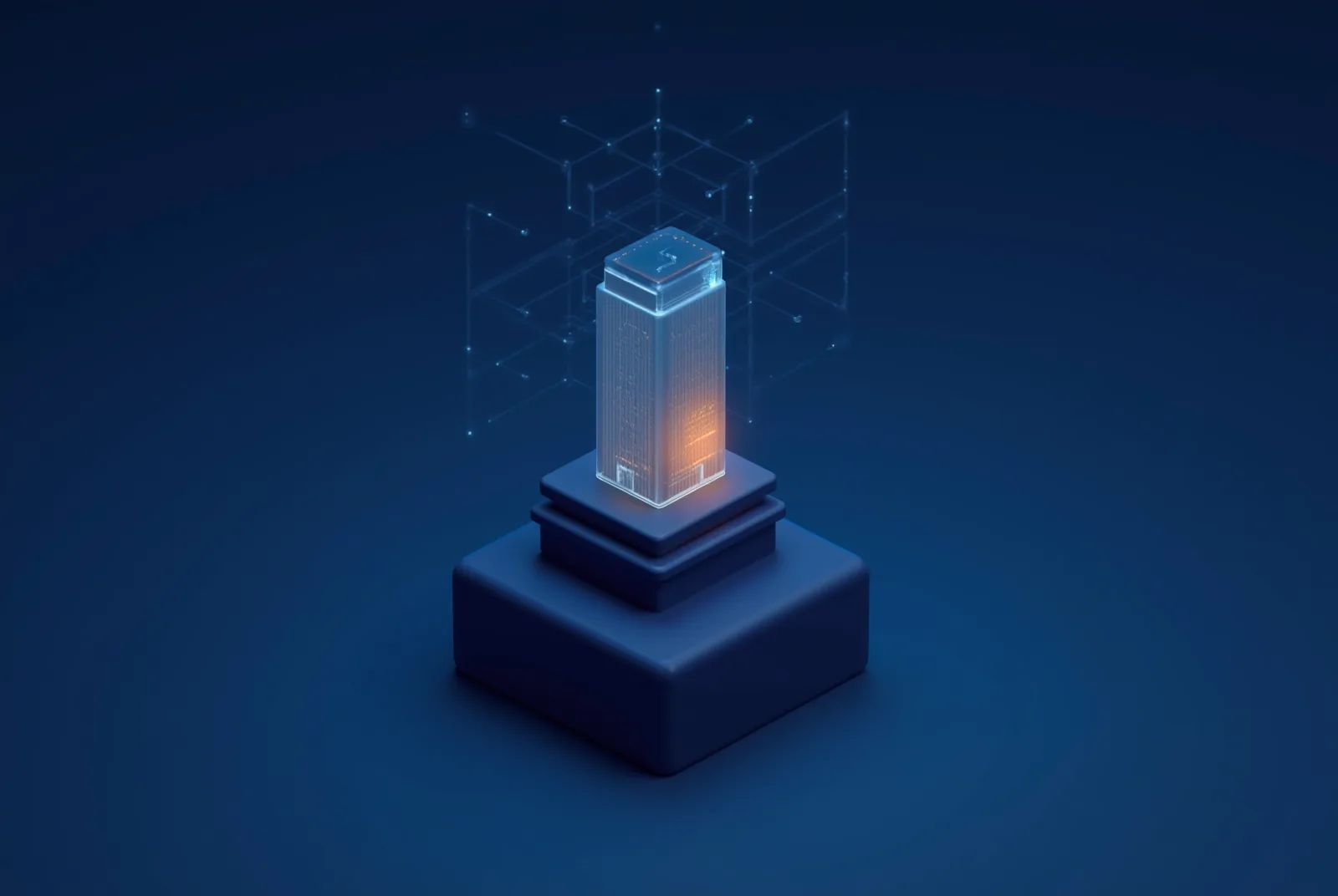
Immersion is easy.
Integration is not.
Creating immersive experiences is relatively easy. Creating experiences that plug into real construction workflows is much harder. Our research targets communication, design review and construction decision-making, not visualisation for its own sake.
What we're working on.
- Immersive design review: Walkthroughs that surface issues while they're still cheap.
- AR-assisted construction: Design intent overlaid on the physical site.
- Collaborative design environments: Clients, designers and builders in one shared model.
- Client decision support: Options experienced, not imagined.
- BIM visualisation: Model data as the single source behind every view.
- Interactive planning consultation: Proposals communities can walk through.
What this could change.
Research should improve decisions, not simply produce better images.
- Improve client understanding
- Reduce design misunderstandings
- Improve stakeholder communication
- Support planning consultation
- Reduce costly late-stage design changes
Where this research connects.
Immersive research earns its place by improving decisions elsewhere in the practice: design data, live-project visibility and custom client tools.
Let's research it together.
Universities, developers, builders, government agencies and industry organisations: we welcome research partnerships that improve how Australia's residential construction industry plans, builds and innovates.
Partner with Cyberate Research · Explore Research as a Service